AI is changing the way brands reach and engage with their audiences. Every marketer and entrepreneur now has the opportunity to streamline campaigns and make smarter decisions. From analyzing large datasets to predicting customer behavior, the technology is making marketing faster, more accurate, and more measurable. It is no longer a question of if AI will affect digital marketing but how quickly businesses can adopt its tools.
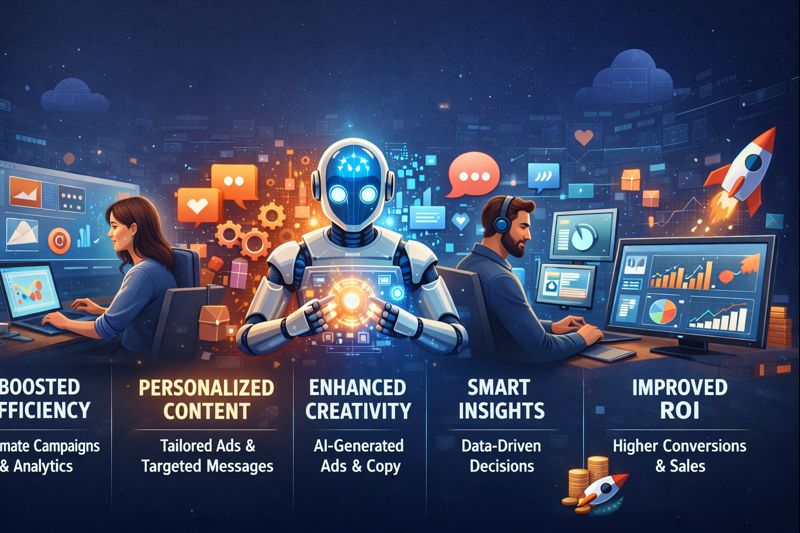
One of the main advantages is efficiency. Tasks that used to take hours can now be completed in minutes. Campaign performance tracking, customer segmentation, and ad targeting have become far more precise. Professionals can now focus on strategy and creativity instead of repetitive manual work. This shift opens the door for freelancers and students to compete with larger companies because they can access similar tools without a massive budget.
Content creation has also changed. AI-powered platforms can generate ideas, draft copy, and even suggest visuals that resonate with specific audiences. This allows marketing teams to test more ideas quickly and adapt messaging based on real-time feedback. Social media posts, email newsletters, and ad copy can all be optimized with better timing and relevance. By understanding how automation integrates with overall strategy, marketers can ensure that their campaigns remain human-focused while benefiting from machine assistance.
Predictive analytics is another area where AI excels. By analyzing historical data, brands can anticipate trends and adjust campaigns before problems arise. This approach reduces waste and improves ROI. For instance, understanding when an audience is most likely to engage with a campaign allows marketers to schedule content for maximum impact. Small businesses can leverage these insights to make data-driven decisions without relying solely on trial and error.
Personalization has reached a new level. AI can segment audiences by behavior, interests, and demographics, providing a tailored experience for each user. Marketers can now deliver relevant content, offers, and recommendations that increase engagement and conversions. This is especially valuable for email marketing, product recommendations, and ad targeting, where relevance directly affects performance.
Ad placement and bidding have become more intelligent. Automation tools optimize ad spend by adjusting bids in real-time, targeting the right audience, and predicting which channels will deliver the best results. For digital marketers managing multiple campaigns, this means better performance with less manual intervention. Freelancers and small teams can achieve results that were once reserved for larger companies with dedicated media buying departments.
Despite these advantages, adopting AI requires careful planning. Businesses must consider data privacy, integration with existing tools, and alignment with marketing goals. Overreliance on automated processes without human oversight can lead to mistakes or generic messaging. Successful marketers blend machine efficiency with human insight, creating campaigns that are both scalable and meaningful.
Learning to use AI in digital marketing also means understanding the tools themselves. Some platforms excel in predictive analytics, while others focus on content creation or ad optimization. Choosing the right tools depends on the objectives, team capabilities, and budget. Early adoption can provide a competitive edge, but proper training and evaluation are essential to maximize the benefits.
Ultimately, AI is not a replacement for marketers but a powerful assistant that helps them work smarter. Those who understand how to integrate these tools into strategy gain more time for creative thinking, better targeting, and measurable results. The technology makes it possible to run campaigns at a scale that was previously impossible for small teams or individual professionals.
Businesses looking to stay competitive need to embrace these trends while keeping human judgment at the core of marketing decisions. By leveraging predictive analytics, automation, and personalized messaging, they can achieve efficiency without sacrificing quality. This approach supports a future-focused strategy that blends innovation with practical execution. For deeper insight into specific tools that enhance automation and improve campaign performance, see the guide on Best Marketing Automation Software Powered by AI